







How to plan transport for corporate events

Corporate event transport affects punctuality, guest experience, safety, and the perceived professionalism of your organisation. Whether you are arranging travel for a conference, product launch, client dinner, trade show, or executive retreat, a reliable plan prevents small delays from becoming visible problems. By defining requirements early and coordinating every journey, you can make arrival and departure feel effortless for attendees.
Start with the event schedule and passenger profile
Build your transport plan around the event timetable, not around vehicle availability alone. List every movement required during the day: airport collections, hotel transfers, venue arrivals, off-site meetings, dinner transport, and final departures. Include realistic boarding times, traffic allowances, security checks, and loading requirements.
Next, divide passengers into groups with different needs. Senior executives may require direct, private transfers, while larger groups of delegates may travel efficiently by coach or minibus. Speakers, sponsors, VIP clients, and staff should each have a clear pickup point and contact procedure.
Accessibility should be included from the first planning stage. Ask guests discreetly whether they need wheelchair access, additional boarding assistance, space for mobility equipment, or a support person. Guidance from How to coordinate accessible wedding transport can also help you structure inclusive vehicle arrangements for formal group occasions.
A simple passenger manifest can record names, mobile numbers, arrival times, luggage expectations, and assigned vehicles. Keep this document current, but limit access to staff who genuinely need the information.
Match each vehicle to the purpose of the journey
The most suitable vehicle depends on more than the number of seats. Consider journey length, luggage volume, venue access, passenger expectations, and the level of privacy required. A luxury saloon may suit an airport transfer for a visiting director, while a people carrier may be better for a small team carrying presentation materials.
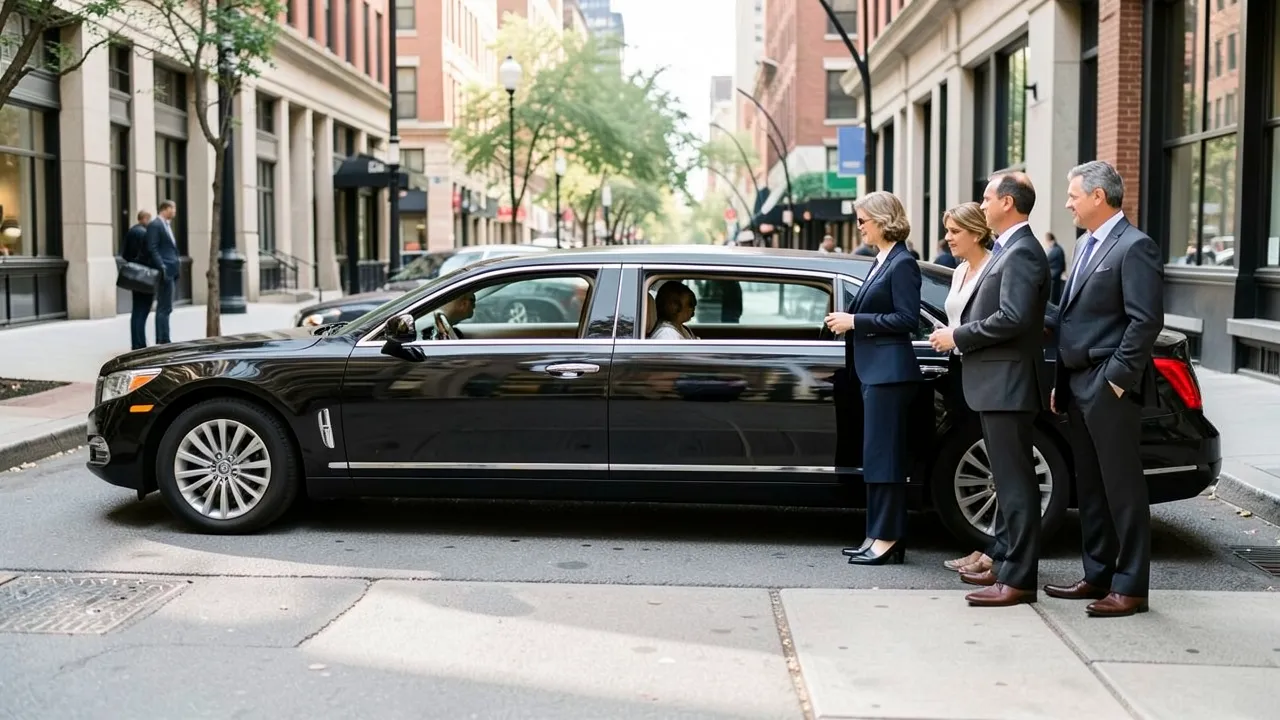
For high-profile events, executive cars and limousines can provide a polished arrival experience. They also offer a practical space for guests to make calls or prepare before entering the venue. If you are comparing larger luxury vehicles, How to choose the right limousine size offers useful considerations about seating capacity, comfort, and group layout.
Avoid booking every passenger into one oversized vehicle simply because it appears convenient. Multiple smaller vehicles can reduce waiting times, allow staggered arrivals, and create a backup option if a journey is delayed. Your choice should balance comfort, capacity, and operational flexibility.
Build realistic timings and contingency plans
Transport schedules often fail because they assume ideal traffic conditions. Check typical congestion patterns around airports, train stations, hotels, and the event venue. A journey that takes 25 minutes at midday may take an hour during a weekday morning peak.
Set separate times for vehicle arrival, passenger boarding, departure, and venue arrival. This gives drivers and coordinators a shared schedule rather than a vague pickup window. For major events, arrange for vehicles to arrive early enough to absorb moderate disruption without affecting the programme.
Prepare alternatives for the most likely problems:
- Flight delays and late train arrivals
- Roadworks, accidents, or severe weather
- A guest changing hotels or departure times
- Extra luggage or equipment
- A vehicle becoming unavailable at short notice
You should also nominate one transport lead who can make quick decisions. Give this person the driver contact list, event schedule, passenger manifest, and authority to approve reasonable adjustments. One informed point of contact prevents conflicting instructions reaching drivers.
Give drivers and guests clear, practical information
A driver needs more than a postcode. Provide the full venue name, entrance details, loading bay instructions, parking restrictions, event contact numbers, and any access codes. If your venue has several gates or a restricted underground entrance, share photos or written directions in advance.
Guests need equally clear instructions. Send a concise travel message that includes the pickup time, pickup point, vehicle description, driver contact details, and a number to call if they are delayed. For airports and stations, specify the meeting location precisely, such as an arrivals hall information desk or a named short-stay pickup zone.
When attendees are driving themselves, route planning and confidence can also shape punctuality. Choosing an online driving school before a major road trip contains ideas that may help employees preparing for longer journeys to unfamiliar locations.
For an executive event, consider a discreet confirmation message shortly before collection. This reassures the guest without creating unnecessary calls or emails.
Protect safety, privacy, and your budget
Use reputable transport providers that maintain their vehicles, employ properly licensed drivers, and hold suitable insurance. Request confirmation of the vehicle type, passenger capacity, cancellation terms, waiting-time charges, and emergency procedures before signing an agreement.
Privacy deserves particular attention when transporting executives or clients. Do not share passenger names, travel details, or mobile numbers more widely than necessary. If the event involves confidential meetings, ask for professional discretion from drivers and avoid displaying detailed itineraries where other passengers can see them.
Budgeting should include more than the headline hire rate. Account for parking, tolls, driver waiting time, overnight stays, last-minute changes, gratuities where appropriate, and additional vehicles for peak periods. A transparent quotation helps you compare suppliers fairly and avoid surprise charges.
Keep these transport priorities in view
Before the event, review the plan against the following points:
- Every guest has a confirmed pickup and drop-off arrangement
- Vehicles suit passenger numbers, luggage, and accessibility requirements
- Drivers have complete venue and contact information
- Timings include sensible allowances for traffic and boarding
- A named coordinator can handle live changes
- Backup options are available for delays or vehicle issues
- Costs, privacy expectations, and cancellation terms are documented
Deliver a professional arrival experience
Well-managed corporate transport does more than move people between locations. It creates calm at the start of the day, supports a reliable event schedule, and leaves guests with a stronger impression of your organisation. With suitable vehicles, clear communication, and a practical contingency plan, you can ensure that every journey supports the event rather than distracting from it.