







How to coordinate accessible wedding transport

Accessible wedding transport allows every guest to take part in the day comfortably, safely and with dignity. When you plan early, communicate clearly and choose suitable vehicles, you can reduce stress for guests with mobility needs, sensory sensitivities or health considerations. The goal is not simply to provide a vehicle, but to create a reliable journey from home, hotel or ceremony venue to each celebration.
Start by understanding every guest’s travel needs
Begin transport planning when you send invitations or collect RSVPs. Offer a discreet way for guests to share access requirements, such as wheelchair use, walking limitations, need for a carer, hearing support or space for medical equipment. A short question on the RSVP card or wedding website can be enough: “Please let us know if you require accessible transport or assistance with travel.”
Avoid assuming that two guests with similar conditions will need the same arrangement. One wheelchair user may transfer comfortably into a car, while another may need to remain in their chair throughout the journey. Some older guests may not require a lift-equipped vehicle but may benefit from low steps, supportive seating and a patient driver.
Ask practical questions before booking:
- Does the guest use a manual or powered wheelchair?
- Can they transfer independently into a vehicle?
- Will a companion, carer or assistance dog travel with them?
- Are there medications, mobility aids or oxygen equipment to accommodate?
- Does the guest need extra time to enter and exit the vehicle?
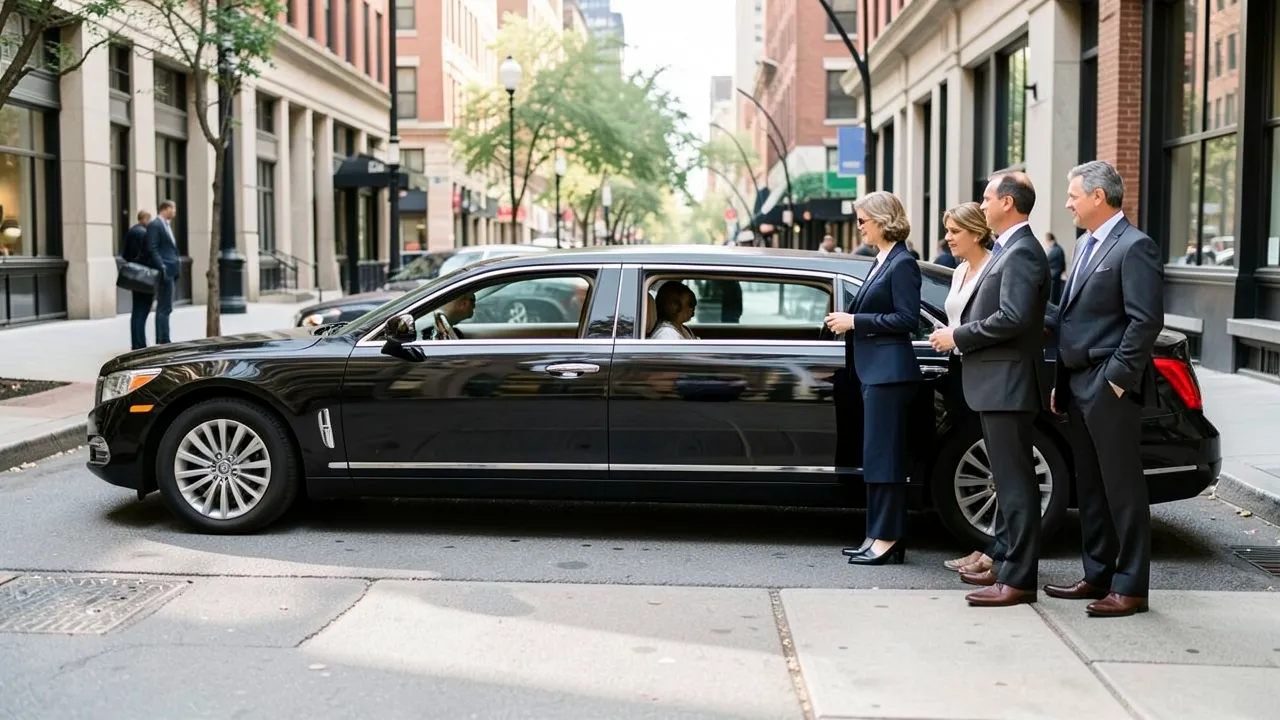
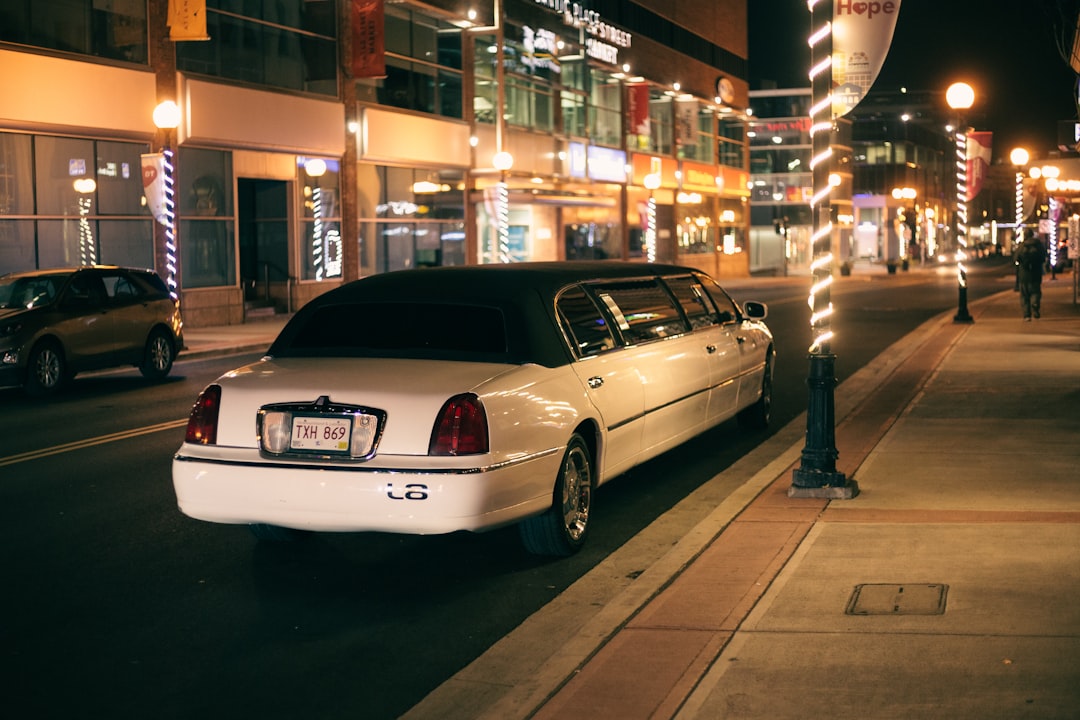
When arranging a refined arrival for the wedding party, limousine hire in Lancashire for weddings and proms can also help you consider vehicle capacity, door access and the amount of room available for formalwear and mobility equipment.
Choose vehicles that provide genuine access
A vehicle described as spacious is not automatically accessible. Confirm the exact features with the hire company, rather than relying only on photographs or general descriptions. Accessible transport should match the individual passenger’s needs, including safe boarding, secure seating and adequate room during the trip.
For guests who remain in wheelchairs, look for wheelchair-accessible vehicles with an appropriate ramp or lift, approved tie-down points and occupant restraint systems. The supplier should confirm the maximum wheelchair dimensions and weight their vehicle can carry. Powered chairs and scooters are often heavier than expected, so clear measurements prevent difficulties on the day.
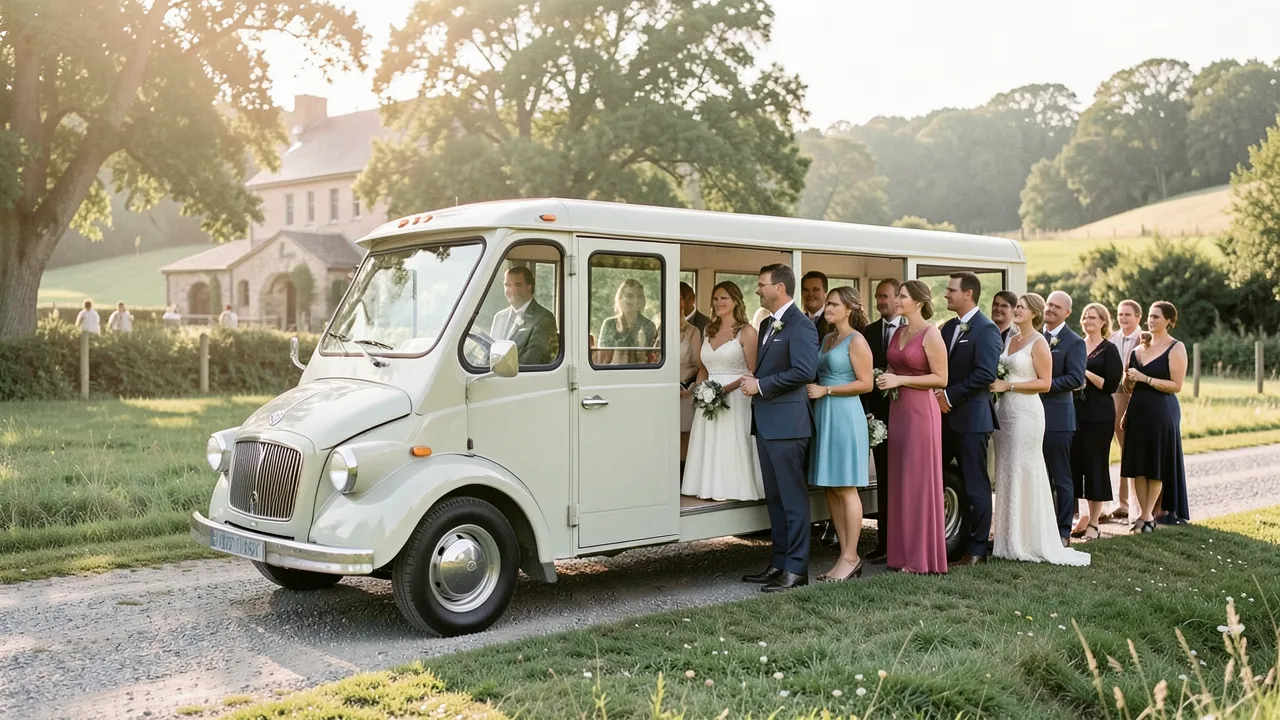
For guests who can transfer, an executive people carrier or suitably adapted minibus may offer more practical access than a traditional wedding car. Wide-opening doors, low floor height, handholds and sufficient legroom can make a substantial difference. Ask whether the driver can provide a step stool, where appropriate, and whether they have experience assisting passengers without rushing them.
Also consider the travel experience. A quiet vehicle can help guests with sensory sensitivities, while reliable climate control supports comfort for older passengers and those with certain medical conditions. If a journey lasts more than 30 minutes, plan for comfort breaks and avoid routes with unnecessary rough roads.
Build a timeline that allows for dignity and flexibility
Accessible journeys often take longer than standard transfers. This is not a problem when the timetable has room for safe boarding, securing wheelchairs, loading equipment and helping guests settle in. Extra time is a courtesy, not a delay.
Plan separate pickup windows for guests who need accessible transport rather than expecting them to follow the same rapid schedule as the wider group. If the ceremony begins at 1 pm, an accessible vehicle might arrive at the pickup point 20 to 30 minutes earlier than a standard car. This gives the driver and passengers time to travel calmly.
Your venue choices also affect the schedule. Check where vehicles can stop, whether there is level access from the drop-off area, and whether rain cover is available. Confirm that accessible parking spaces are kept clear for guests who drive themselves. At rural venues, inspect gravel paths, slopes and grass areas, especially if rain is likely.
For a clearer approach to coordinating arrivals, ceremony transfers and evening departures, consult how to plan transport timelines for wedding events. A detailed schedule helps drivers, venue staff and family members work from the same plan.
Coordinate drivers, venues and trusted helpers
Share relevant access details with the transport provider before the wedding, while respecting guests’ privacy. Drivers need practical information, not personal medical histories. For example, tell them that a guest uses a powered wheelchair, needs a lift-equipped vehicle and will travel with one companion.
Assign one trusted person, such as a wedding coordinator, close relative or member of the bridal party, to handle transport queries on the day. Give this person the driver’s number, pickup list and venue contact details. They can respond quickly if a guest is running late or a route changes.
Do not overlook the return journey. Guests may be more tired after a long celebration, and darkness can make access more difficult. Arrange departure times in advance, particularly for those who cannot simply wait for the final shuttle. If alcohol is served, provide safe alternatives so nobody feels pressured to drive.
Thoughtful guest arrangements can also be part of your wider hosting plans. Alongside accessible travel, wedding thank-you gifts guests will treasure offers ideas for showing appreciation to the people who shared your day.
Make inclusive transport part of your wedding hospitality
The most effective accessible transport plan is one that feels smooth and respectful for everyone involved. Guests should not need to chase information, negotiate unsuitable steps or feel like an afterthought. Confirm bookings in writing, revisit arrangements a week before the wedding and have a backup contact for each supplier.
Key points to carry into your planning include:
- Collect accessibility requirements discreetly during the RSVP process.
- Verify vehicle features, wheelchair dimensions and securement systems directly with the provider.
- Allow generous time for boarding, transfers and venue access.
- Check drop-off areas, pathways, parking and weather protection at every location.
- Arrange return travel with the same care given to arrivals.
- Share a simple transport plan with drivers, venue staff and your designated coordinator.
With clear communication, suitable vehicles and realistic timing, you can give every guest a more comfortable route into the celebration.