







How to plan transport timelines for wedding events
Your wedding transport timeline shapes how calmly the day unfolds. From hair and makeup appointments to the ceremony, photographs, reception and late-night departures, each journey needs enough time for comfort rather than hurried decisions. A well-planned schedule helps you, your wedding party and your guests arrive relaxed, present and ready to enjoy every moment.
Start with the fixed times in your wedding schedule
Begin by listing the timings that cannot move: ceremony start, venue access, registrar arrival, meal service, speeches, evening entertainment and supplier collection times. Work backwards from these milestones to create realistic collection and arrival windows.
For the wedding party, aim to arrive at the ceremony venue 20 to 30 minutes before the ceremony. This allows time for final outfit checks, greetings, photographs and any unexpected hold-ups. The person getting married may prefer a more private arrival, while bridesmaids, parents and groomsmen can travel in separate vehicles or earlier transfers.
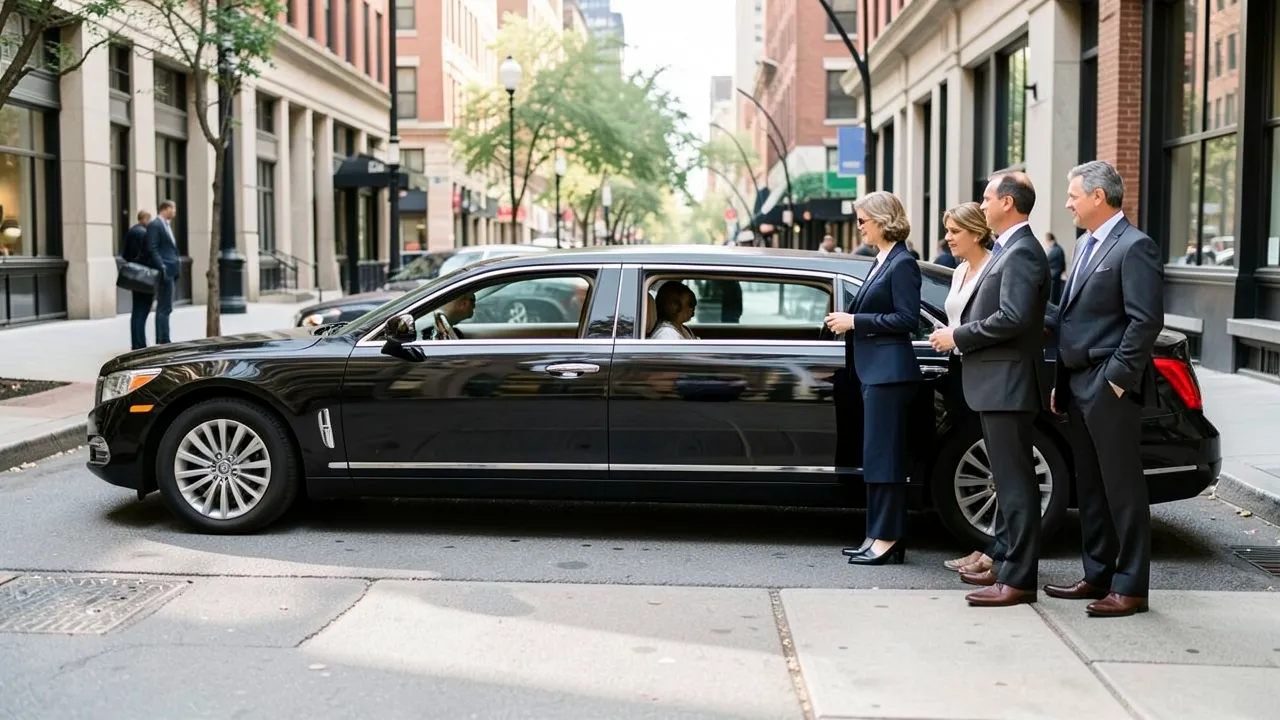
Your transport provider can help you match the vehicle plan to the number of passengers. If your group is travelling together, How to choose the right limousine size offers useful guidance on balancing passenger capacity, comfort and luggage needs.
Allow time for preparation locations
Build collection times around the final preparation address, not simply the ceremony time. Ask how long it will take to finish hair, makeup, dressing and photographs. A vehicle arriving too early can create pressure; one arriving too late can disrupt the whole morning.
Add a buffer of at least 15 minutes between the planned departure and the latest possible departure. This protects the schedule if buttons need fastening, bouquets arrive late or family photographs take longer than expected.
Build realistic travel buffers between venues
Online journey estimates are useful, but wedding-day travel is rarely identical to a standard route calculation. Traffic, roadworks, seasonal events, weather, parking restrictions and narrow access roads can all affect the journey. Include extra time for each transfer, particularly on Fridays, weekends and bank holidays.
A practical approach is to allow:
- 15 minutes of contingency for local journeys;
- 20 to 30 minutes for longer cross-town routes;
- additional time for rural venues, city-centre locations or unfamiliar roads;
- time for guests to board, disembark and find their way into the venue.
If you are booking transport in the region for a ceremony, prom or other celebration, Limousine hire in Lancashire for weddings and proms can help you consider how local travel requirements affect your booking.
Plan for photographs without rushing them
The period after the ceremony often becomes the most underestimated part of a wedding timeline. Guests may want to congratulate you, the photographer may need group portraits, and the wedding party may travel to a second location for couple photographs.
Discuss the photography schedule with your photographer before confirming vehicle times. For example, you may need the wedding car to remain available for two hours after the ceremony rather than leaving immediately. This gives you flexibility for photographs, a short scenic journey or an unplanned delay.
Coordinate transport for guests and the wedding party
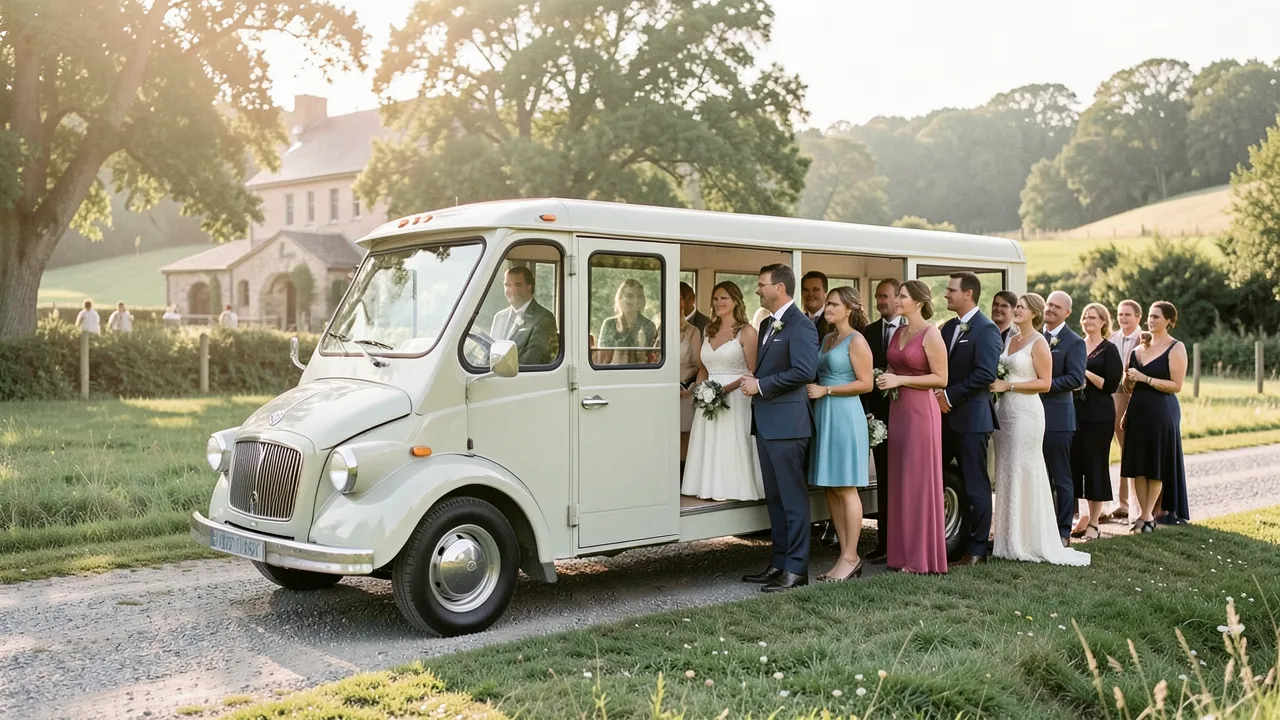
Guest transport is especially helpful when accommodation, ceremony and reception locations are separated. It reduces the risk of late arrivals, makes parking easier to manage and allows guests to celebrate without concerns about driving home.
Create separate schedules for each group:
Give the wedding party clear collection details
Send each passenger a simple message with the collection address, collection time, vehicle description and contact number for the day. Ask everyone to be ready a few minutes early, particularly when several stops are involved.
Where possible, keep the wedding party route straightforward. Multiple collections can work well, but each additional stop increases the chance of delay. Consider having everyone meet at one preparation address if that suits the morning plan.
Arrange guest shuttles around key moments
For guests staying at hotels, arrange an outbound shuttle that arrives well before the ceremony and a return service after the evening celebration. If guests are travelling from several hotels, decide whether a central pick-up point is more practical than multiple individual stops.
For detailed ideas on managing these movements, see Stress free bridal party and guest transport in the North West. A coordinated plan can make the experience more welcoming for relatives, older guests and anyone unfamiliar with the area.
Confirm the final plan with every supplier
About two weeks before the wedding, review your timeline with the transport company, venue coordinator, photographer and wedding planner, if you have one. Confirm addresses, postcodes, contact names, parking instructions, passenger numbers and the order of collections.
Give your transport provider a designated contact who is not one of the people getting married. This could be a parent, best person, maid of honour or planner. They can make quick decisions if traffic, weather or timing changes require an adjustment.
On the day, keep your timeline accessible on a phone and share it with the people who need it. A clear schedule does not remove every surprise, but it gives everyone a reliable framework.
A calm transport plan gives your celebration room to breathe
A wedding transport timeline works best when it includes generous buffers, clear communication and a realistic view of travel conditions. Rather than filling every minute, leave space for greetings, photographs and the small joyful moments that cannot be scheduled precisely.
Key points to remember:
- Work backwards from fixed ceremony and reception times.
- Schedule early arrivals rather than last-minute drop-offs.
- Add travel buffers for traffic, weather and boarding time.
- Keep wedding party collections simple and well communicated.
- Coordinate guest shuttles with accommodation and evening departure times.
- Confirm final addresses, contacts and timings with all suppliers before the day.