







Ethical ground transport for healthcare conferences

Healthcare conference transport has a legitimate role when it helps participants reach a scientific meeting safely, on time and with reasonable accessibility. Yet chauffeured cars, airport transfers and group shuttles can also create compliance concerns if they look excessive, personal or unrelated to the educational purpose of the event. For event suppliers, the task is to provide efficient logistics while respecting the ethical standards that govern interactions with healthcare professionals.
EFPIA and e4ethics shape the ethical framework for events
EFPIA stands for the European Federation of Pharmaceutical Industries and Associations. Its Code sets standards for pharmaceutical companies’ interactions with healthcare professionals and healthcare organisations, including rules on promotion, hospitality, sponsorship and professional events. The underlying principle is that scientific exchange must not be influenced by inappropriate benefits.
EFPIA e4ethics supports a more consistent approach to healthcare event assessment. It is associated with the review of conference arrangements against applicable ethical provisions, and it has been aligned with MedTech Europe’s conference assessment approach since 2021. Suppliers seeking to understand the event-assessment context can discover the platform’s focus on transparent, appropriate healthcare meetings. While e4ethics can support organisers and companies in their decision-making, local laws, industry association rules and internal company policies may impose further conditions.
For transport providers, this framework means that a vehicle is never just a vehicle. The service must be considered in relation to the conference purpose, the attendee group, the venue, the timing and the level of comfort offered.
Transport is appropriate when it answers a genuine logistical need
Ground transport can be justified where it solves a practical access issue. A shuttle from a remote conference hotel to the scientific venue, a transfer for speakers arriving at an airport, or accessible transport for a delegate with reduced mobility may all be proportionate arrangements.
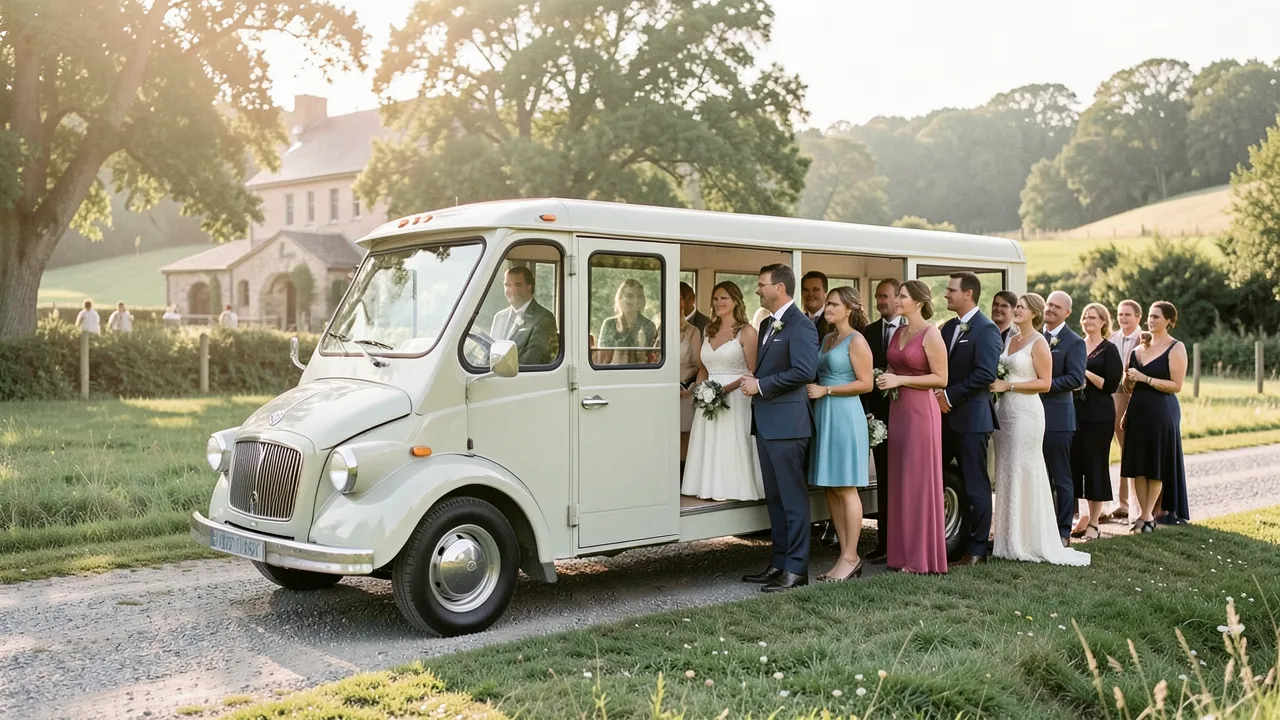
The central question is whether the service is necessary, reasonable and connected to the event. A group coach operating on a published schedule usually presents a clearer compliance profile than individually arranged premium cars for every attendee. Likewise, transfers may be more defensible when public transport is unavailable, unreliable, unsafe or unsuitable for the conference timetable.
Suppliers should avoid treating healthcare events like luxury hospitality programmes. High-end vehicles, private sightseeing detours, companion travel and transport to entertainment venues may create the impression that the service is an inducement rather than an operational solution. Even where a requested arrangement is technically possible, it may not be suitable under the event’s compliance rules.
Proportionality should guide the service level
A practical transport plan reflects the actual needs of delegates. Consider the number of attendees, luggage requirements, mobility needs, distance between locations and security considerations. Vehicle choice should be aligned with these factors, rather than with status or prestige.
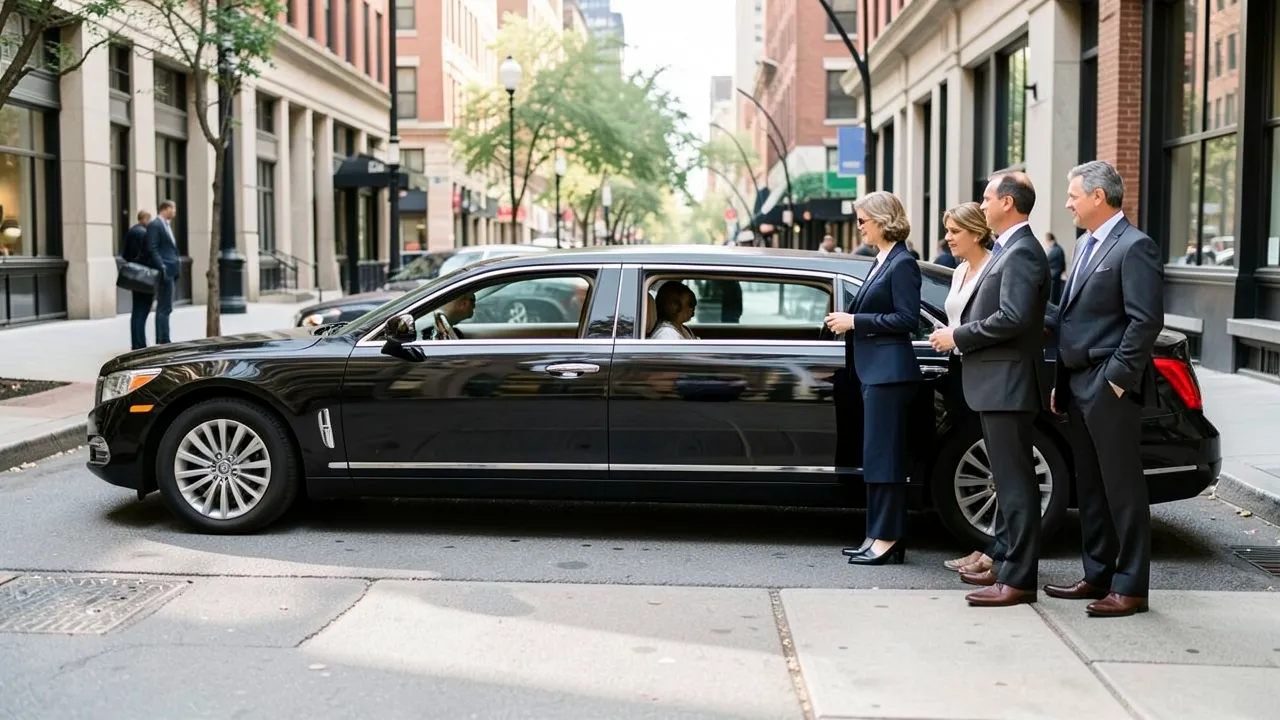
For example, an airport shuttle for a speaker panel arriving on the same flight can reduce delays and simplify coordination. A standard executive sedan may be appropriate for a speaker travelling directly between an airport and a conference venue, particularly where timing is constrained. The same service could require further scrutiny if it includes a spouse, non-event stops or an unnecessarily lavish vehicle category.
Suppliers should ask compliance questions before confirming a booking
Transport companies and event-rental partners are not expected to replace the organiser’s legal or compliance team. They can, however, reduce risk by requesting clear booking information and documenting the service accurately. Transparent logistics protect both the supplier and the organiser.
Before accepting instructions, ask who is paying for the transport and who has approved it. A pharmaceutical company, a medical association, a congress organiser and a healthcare institution may each apply different processes. Confirm whether passengers are healthcare professionals, employees, speakers, patients or other guests, since eligibility and reimbursement conditions can vary.
Suppliers should also clarify:
- the stated business or scientific purpose of each journey;
- pickup and drop-off points, including whether they relate directly to the conference;
- the vehicle class requested and the reason for that selection;
- whether transport is shared, scheduled or individually assigned;
- whether companions, family members or non-registered guests will travel;
- whether transfers are included in a disclosed event budget or hospitality plan;
- local licensing, insurance, accessibility and data-protection requirements.
Written records matter. Quotations should identify vehicle type, route, waiting time, passenger capacity and any additional services. Invoices should be itemised rather than described vaguely as “VIP support” or “event hospitality.” Where an organiser asks for unusual amenities, suppliers can request written confirmation that the arrangement has passed the relevant internal review.
Practical transport design can support ethical conference operations
Ethical transport does not mean inconvenient transport. Well-designed mobility can improve punctuality, reduce congestion and make attendance more accessible. The most suitable solutions are often simple: scheduled shuttles between approved hotels and the venue, transfer desks with clear instructions, accessible vehicles booked in advance and realistic travel windows for speakers.
A supplier with experience in conference transport can propose options that are operationally sound without adding unnecessary luxury. This may include grouping arrivals by time slot, using a central pickup point, limiting vehicle upgrades, setting clear cancellation rules and providing a 24-hour dispatch contact for genuine disruptions.
Consistency is often safer than special treatment. If similar attendees receive similar transport under transparent criteria, organisers can more readily explain why the arrangement was offered. Exceptions should be based on objective reasons such as disability access, security needs or documented scheduling constraints.
Ethical healthcare transport supports credible scientific meetings
When transport is proportionate, documented and tied directly to the meeting programme, it supports the conference rather than overshadowing it. Suppliers can contribute practical expertise, but final decisions should be assessed against the EFPIA Code, relevant e4ethics processes, internal compliance policies and national requirements.
Key points for event suppliers include:
- Treat transport as a logistical service, not a hospitality benefit.
- Match vehicle type and routing to a documented conference need.
- Use group transport and standard service levels where feasible.
- Keep quotes, approvals and invoices specific and auditable.
- Escalate unusual requests to the organiser’s compliance contact.
- Apply local rules alongside EFPIA and event-specific standards.
Frequently asked questions about healthcare conference transport
What does EFPIA stand for?
EFPIA means the European Federation of Pharmaceutical Industries and Associations. Its Code governs ethical interactions involving pharmaceutical companies, healthcare professionals and healthcare organisations.
Can chauffeured transport be provided to healthcare professionals?
Yes, where it serves a legitimate event-related need and is proportionate to the circumstances. The organiser must assess the arrangement under applicable industry rules, local requirements and internal policies.
Should a transport supplier approve the compliance of an event?
No. The organiser or sponsoring company retains responsibility for compliance decisions. Suppliers should provide clear service information, ask practical questions and flag requests that appear inconsistent with an educational conference purpose.