







How limousine chauffeurs manage last-minute itinerary changes

Last-minute itinerary changes are common in limousine hire. A flight may arrive early, a wedding ceremony may run late, or a business meeting may move to another venue with little warning. A professional chauffeur does more than drive from one address to another. They manage timing, communication, routes and passenger comfort so that unexpected changes feel controlled rather than stressful.
Why last-minute changes demand a calm response
A limousine booking often involves a detailed schedule, particularly for weddings, airport transfers, corporate events and evening celebrations. Yet even the best plans can change. Guests may need an additional collection point, a client may request a different restaurant, or traffic conditions may make the original route unsuitable.
The chauffeur’s first task is to confirm the new instructions clearly. Rather than relying on assumptions, they will check the revised destination, the preferred arrival time, the number of passengers and any new stops required. This prevents confusion when several people are involved in arranging the journey.
Clear communication is especially valuable when the person making the change is not travelling in the vehicle. A wedding planner, executive assistant or family member may contact the chauffeur on behalf of the passengers. In these situations, the chauffeur may confirm the request with the lead passenger or booking contact before changing the route.
Professional chauffeurs prepare before the journey begins
Adaptability starts well before passengers enter the limousine. Experienced chauffeurs review the itinerary, addresses, road restrictions, venue access points and likely traffic concerns before departure. They also allow practical flexibility in the schedule, particularly when serving airports, major hotels, city-centre venues or large event spaces.
For group bookings, choosing the suitable vehicle makes changes easier to manage. A vehicle that is too small may leave no room for extra passengers or luggage collected during the day. Before booking, you may find How to choose the right limousine size helpful when comparing capacity, comfort and event requirements.
A prepared chauffeur will also have navigation tools available, along with local knowledge that may not appear on a map. For example, a venue’s main entrance may be closed after a certain hour, or a hotel driveway may be difficult to access during a conference arrival period. Knowing alternative approaches can save valuable minutes.
They assess whether the revised plan is realistic
Not every requested change can be completed exactly as imagined. If passengers ask to add two stops during peak traffic, the chauffeur will assess the distance, expected delays and booking end time. They should explain the practical options in a courteous, direct way.
A realistic response might include adjusting the order of stops, using a more efficient route or advising that an extension to the hire period may be needed. This approach protects the passengers from rushed travel and avoids creating promises that cannot be kept safely.
Route planning changes as traffic conditions develop
Traffic is one of the most frequent reasons for itinerary adjustments. Roadworks, accidents, demonstrations, sporting events and weather can alter journey times quickly. Chauffeurs monitor conditions throughout the booking and may suggest a route change before passengers notice a problem.
For airport collections, they also track live flight information where available. If a flight lands early, the chauffeur can prepare to meet the passengers sooner. If it is delayed, they can adapt the collection time while considering airport waiting rules and parking arrangements.
Local route knowledge remains highly useful when navigation systems offer only one obvious alternative. A chauffeur may know which streets become congested before a theatre performance, where road access is restricted near a stadium, or which hotel entrances allow limousine drop-offs.
Safety and legality remain part of every decision
Flexibility does not mean ignoring safety standards. A chauffeur cannot stop in prohibited areas, exceed driving limits or take unsafe shortcuts to recover lost time. Passenger welfare, road regulations and vehicle safety always guide the response.
If an itinerary change creates a tight schedule, a professional chauffeur will focus on the best achievable solution. They may recommend leaving slightly earlier, arranging a nearby collection point or moving a non-essential stop to later in the booking. A calm, honest explanation is more valuable than a rushed journey.
Event-specific changes need tact and discretion
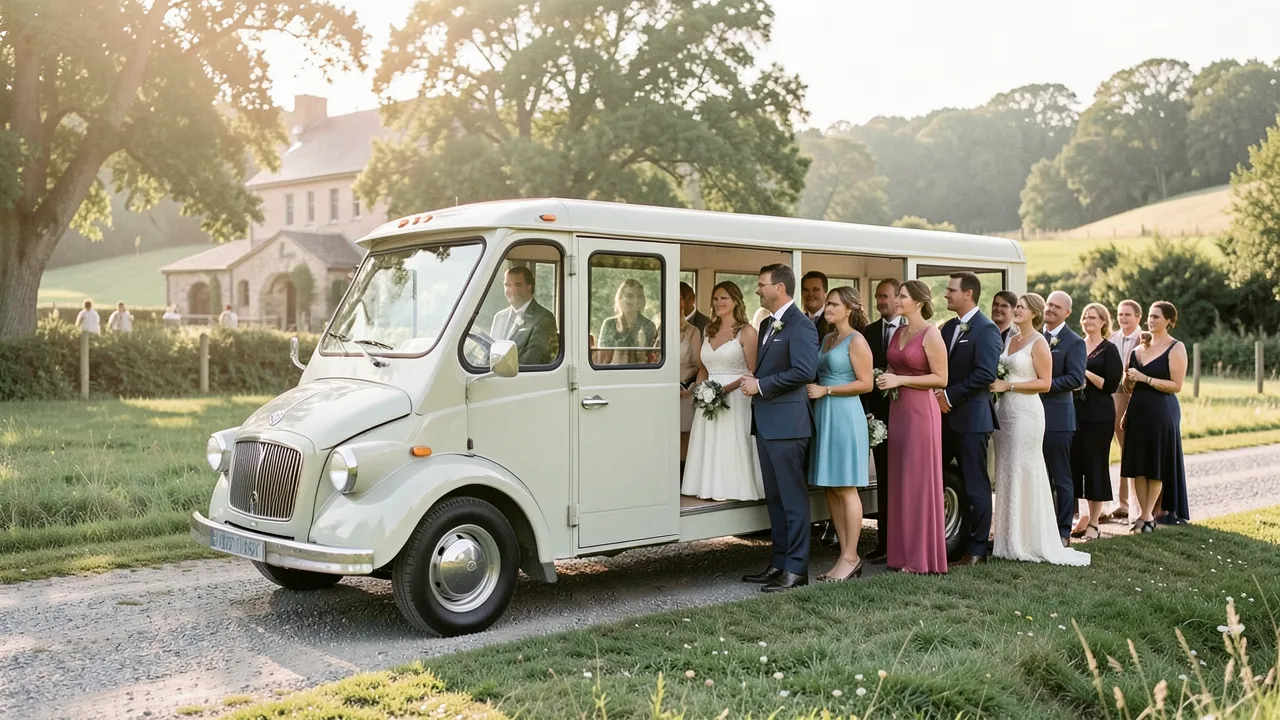
Different occasions create different pressures. At a wedding, timings can shift because photographs take longer, guests are delayed or the ceremony starts late. The chauffeur may wait nearby, coordinate discreetly with the wedding party and ensure the vehicle is ready when needed.
Corporate passengers may change plans after a meeting runs over or a client requests an unplanned visit to another office. In this setting, discretion matters. The chauffeur should keep conversations private, maintain a professional manner and avoid drawing attention to changing plans.
Healthcare and conference travel can require similar sensitivity, especially when schedules involve multiple delegates, secure locations or time-sensitive appointments. For ideas on responsible planning in this area, see Ethical ground transport for healthcare conferences.
For evening events, the most common changes involve collection times and additional drop-offs. A chauffeur can manage these smoothly when passengers provide a contact number and nominate one person to communicate final instructions.
How you can help your chauffeur respond quickly
You can make last-minute changes easier by sharing accurate details as soon as possible. A brief message with the new address, desired arrival time and passenger count gives the chauffeur a clear basis for action.
Where several guests are involved, appointing one organiser avoids conflicting directions. It also helps to mention any mobility needs, luggage changes, child seats or venue access instructions when the plan changes.
Key points to remember include:
- Send revised details promptly, including postcodes and venue names.
- Nominate one contact person for decisions during the hire.
- Allow extra time when adding stops or travelling during busy periods.
- Ask about possible additional charges if the booking duration changes.
- Trust your chauffeur’s advice on safe routes, access restrictions and realistic arrival times.
A flexible chauffeur service keeps your plans moving
A well-managed limousine journey should feel smooth even when the schedule changes. Professional chauffeurs combine preparation, local awareness and courteous communication to respond without unnecessary disruption. Whether you are arranging wedding transport, executive travel or a special evening out, choosing a service that can adapt gives you greater confidence when plans need to change.