

Choosing a classic car for your wedding: a practical hire checklist
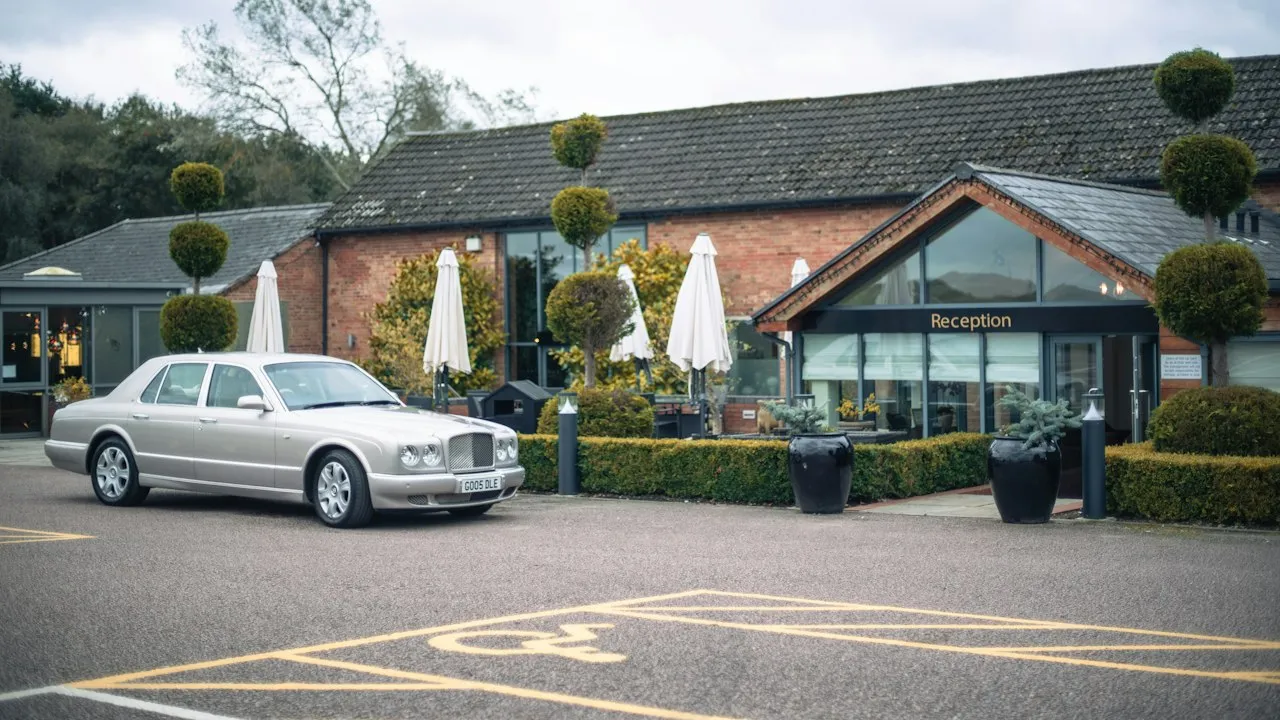
A vintage wedding car can add atmosphere, personality and a sense of occasion that a modern limousine may not provide. Yet a heritage vehicle is more than a photogenic backdrop. Its age, engineering, history and preservation needs affect how it should be selected, hired and used. Before you book, consider whether the car suits your schedule, passengers and venue as well as your preferred wedding style.
Choose a car that fits the wedding rather than just the photographs
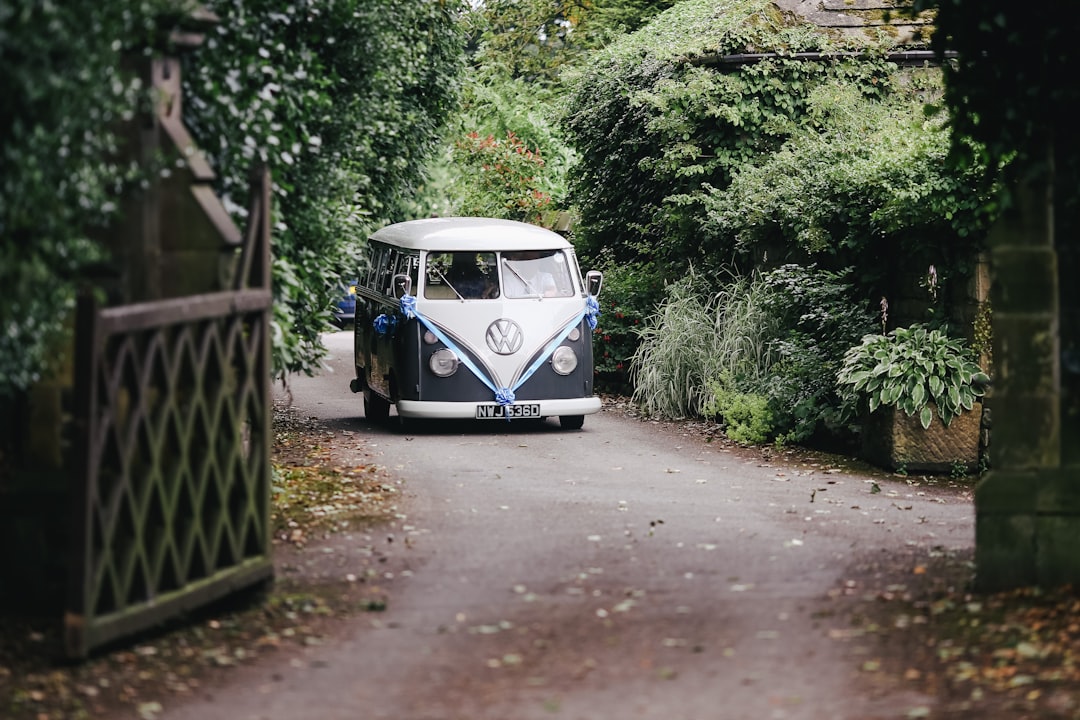
A 1930s saloon, a 1960s convertible, a 1970s grand tourer and a 1990s youngtimer each create a different mood. Match the vehicle’s period to the tone of your celebration, but also to the realities of the journey. A low-slung sports car may suit a short arrival at a city registry office, while a spacious vintage limousine can be more practical for a formal ceremony, a long dress and a parent travelling with you.
The vehicle’s character should also fit the route. Narrow country lanes, steep driveways, gravel paths and busy urban centres can be challenging for older cars. Ask the provider whether the proposed route has been considered, especially if access to the ceremony or reception venue is restricted.
For broader ownership, preservation and maintenance knowledge, specialist classic car tips can help you understand why a well-kept heritage vehicle needs informed use. Classic cars often have carburettors, mechanical ignition systems, period cooling arrangements and braking systems that differ greatly from modern vehicles. Their originality, service history and sympathetic restoration influence both their reliability and their long-term value. A reputable wedding transport provider should treat these details as part of the vehicle’s identity, not as inconveniences to ignore for one event.
Check the vehicle’s condition before committing to a hire
A classic wedding car need not be concours-standard to be suitable, but it should be safe, clean, mechanically sound and honestly presented. Ask to inspect the actual car that will attend your wedding whenever possible. Promotional images may show a different vehicle, or photographs taken before a restoration, repaint or interior repair.
Ask clear questions about maintenance and backup arrangements
A specialist operator should be able to explain the vehicle’s routine maintenance without revealing every workshop detail. You are looking for evidence that the car is regularly driven, inspected and serviced, rather than stored indefinitely and brought out only for bookings.
Check the following points with the hire company:
-
Mechanical readiness: Ask when the car was last serviced and whether it has recently completed journeys similar in length to your planned itinerary. Older vehicles can be dependable when maintained properly, but they may need more frequent checks of fluids, tyres, belts, cooling and electrical connections than modern cars.
-
The driver’s experience: A vintage vehicle benefits from a chauffeur who knows its controls and behaviour. Starting procedures, gear changes, braking distances and temperature management can require a gentler, more attentive driving style. A driver familiar with the exact model is preferable to one who normally operates modern executive vehicles.
-
Insurance and licensing: Confirm that the vehicle is insured for wedding hire and that the operator holds any permissions required in your area. If you plan to drive the car yourselves, verify whether self-drive hire is offered, what insurance excess applies and whether there are age or licence restrictions.
-
Contingency transport: Ask what happens if the car develops a fault, is delayed by traffic or cannot operate in severe weather. A professional provider should have a practical fallback, such as another suitable car, a chauffeured modern vehicle or a clear plan for transferring you to the venue.
-
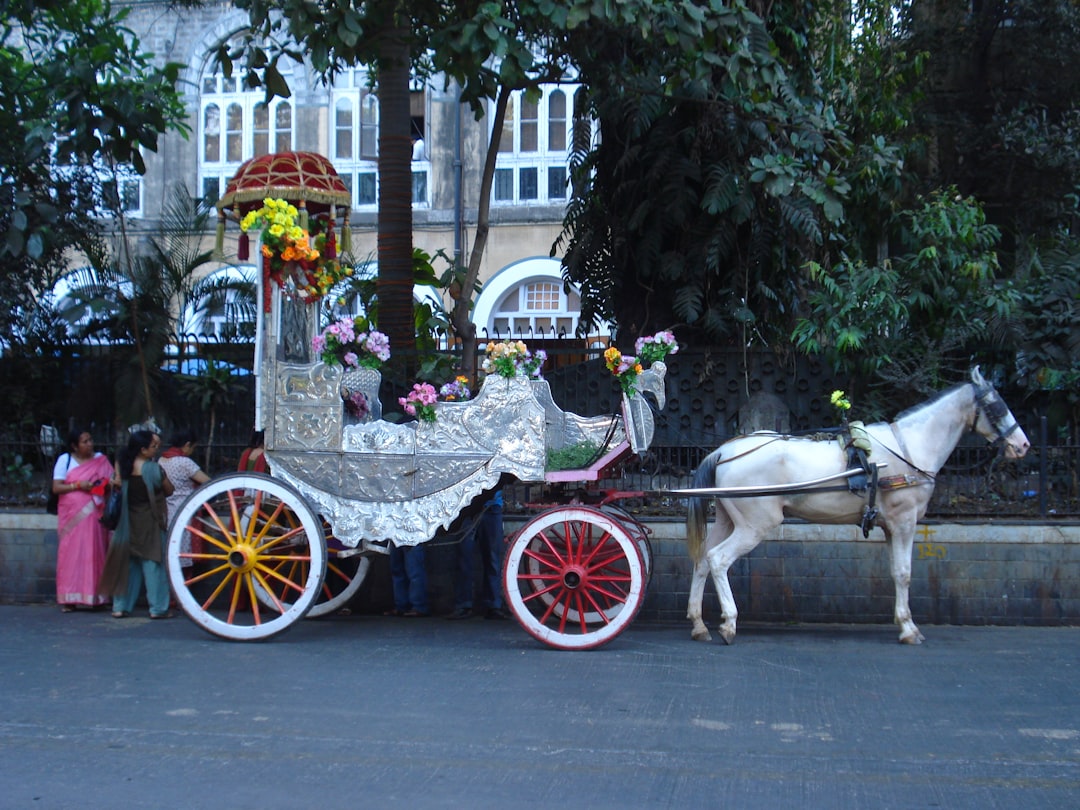
Presentation standards: Discuss cleaning, floral decorations, ribbons and signage in advance. Adhesive decorations, magnetic fittings and poorly secured arrangements can damage fragile paint, chrome or trim. The provider should propose methods that respect the car’s original materials.
Plan for comfort, access and weather conditions
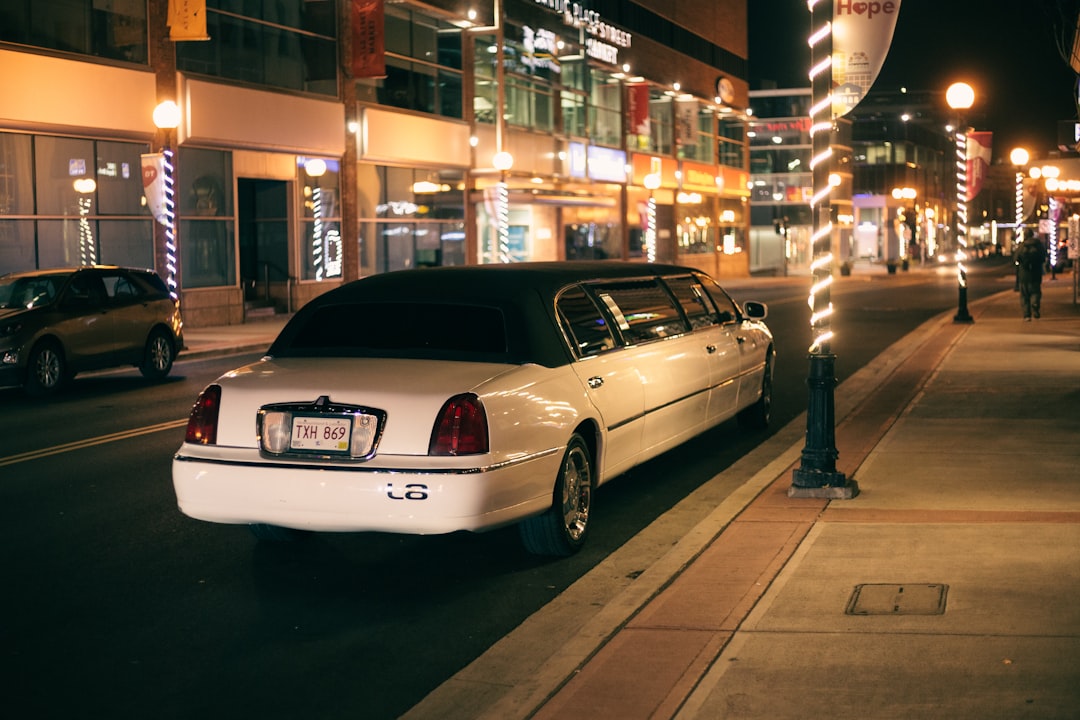
Modern limousines are designed around predictable comfort. They commonly offer efficient heating, air conditioning, easy entry, generous luggage space and advanced suspension. A classic car may provide a more memorable experience, but its practical limits deserve honest discussion.
Consider the bride’s outfit, the height of the door opening and the position of the seats. A voluminous dress can be difficult to manage in a two-door coupe, while a low convertible may be awkward for anyone with limited mobility. Test entry and exit wearing clothing that resembles your wedding attire, if possible.
Luggage capacity can also be modest. A bouquet, small overnight bag, garment bag and emergency kit may fill the boot of a compact classic quickly. Arrange a separate vehicle for larger items, changing clothes, gifts or luggage needed at the reception.
Weather planning matters especially for convertibles and pre-war models. A folding roof may be slow to raise, less watertight than expected or unsuitable in strong winds. Rain can also affect older brakes, visibility and road conditions. A closed car, umbrellas and covered drop-off points offer sensible alternatives without losing the period character you want.
Respectful use protects the vehicle and improves the experience
Hiring a heritage car carries a small responsibility. The vehicle may be rare, original or restored using parts that are difficult to replace. Treat it as a working piece of motoring history rather than a disposable event accessory.
Avoid leaning heavily on body panels, placing drinks on the paintwork or allowing guests to climb inside for unplanned photographs. Keep shoes, confetti, food and sharp accessories away from delicate upholstery. If children are travelling, discuss seating arrangements and legal restraint requirements beforehand, as older cars may not have modern anchor points.
Build time into the schedule. A classic car is best driven smoothly, with realistic allowances for traffic, stopping distances and careful manoeuvring. Allowing a little extra time also reduces pressure on the chauffeur and prevents rushed handling of the vehicle.
Make your wedding transport choice with confidence
The right vintage wedding car combines visual charm with practical suitability. When you assess its space, mechanical preparation, weather readiness and operator expertise, you can enjoy the occasion while respecting the vehicle’s heritage.
Key points to retain include:
- Choose a model that suits your wedding theme, route, clothing and passenger needs.
- Inspect the actual vehicle and ask about its maintenance history.
- Confirm chauffeur experience, insurance and a clear backup transport plan.
- Test access, seating and luggage space before the day.
- Use decorations and photography arrangements that protect original finishes and interiors.
- Allow extra time so the car can be driven and handled with appropriate care.